

The rusty-but-trusty Ford™ Focus, RIP, has gone to the great scrapyard in the sky, on what was a very sad day indeed, although is 'Structural integrity severely compromised' really a reason to fail an MOT?
The tatty AA™ road atlas hasn't yet been replaced so we're temporarily relying on technology in these new wheels, which has us heading to a T-junction at the top of an impossibly steep hill in Haworth, and an ideal spot for a garage specialising in clutch replacements, right drivers?
This before a rollercoaster of a ride in and down on the A6033, making for a less-than-relaxing introduction to Hebden Bridge, a quirky old mill town not far from Halifax in West Yorkshire's Calder Valley, it says here.
It had better be after that!
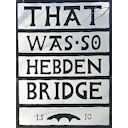
Getting in and out is one of the residents' gripes, and the main route through is often clogged. While we're on it, it's not known who or what a 'Hedben' is and this isn't thought to be the bridge?
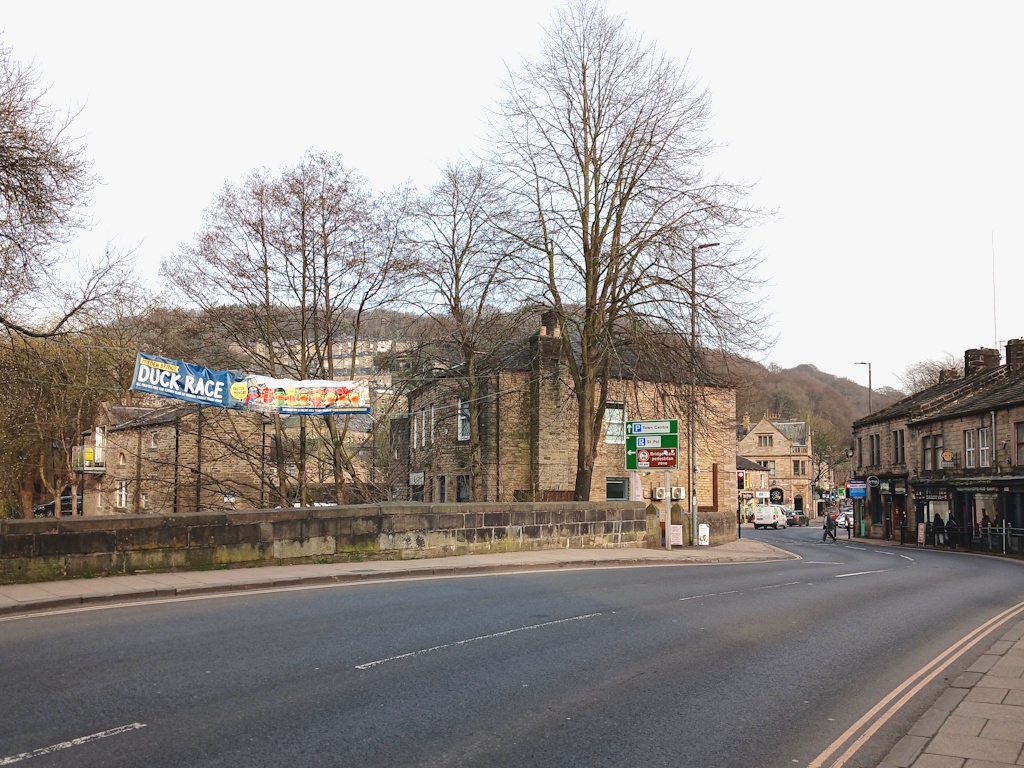
Funnily enough, depending on your direction, Halifax Road goes to Burnley, and Burnley Road to Halifax - now that's what you call quirky!
Either way, roads in these parts would once have been sufficiently wide, but people's not-unreasonable need to park will require frequent flashing and giving way, in an unforgiving way, to the traffic opposite.
That, by the way, isn't a Hebden thing, it looks to be the case in the whole of West Yorkshire, fact!
It isn't this bridge, neither, nor that one, neitherer.
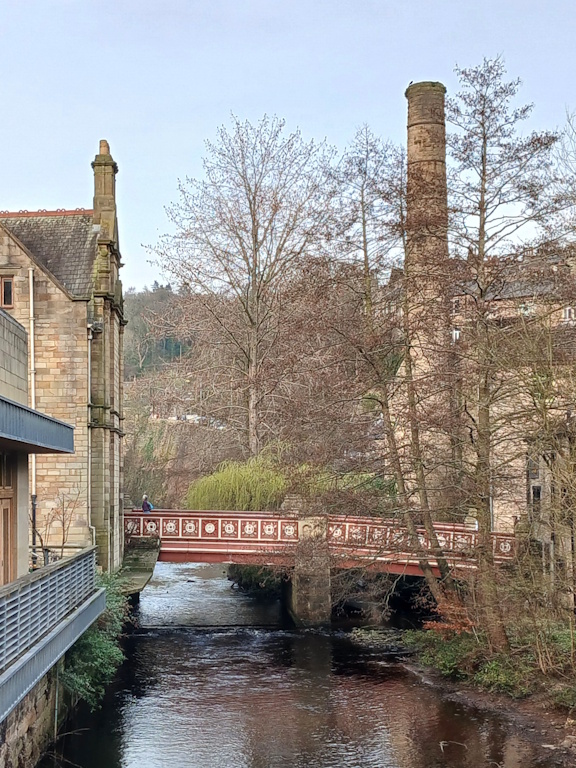
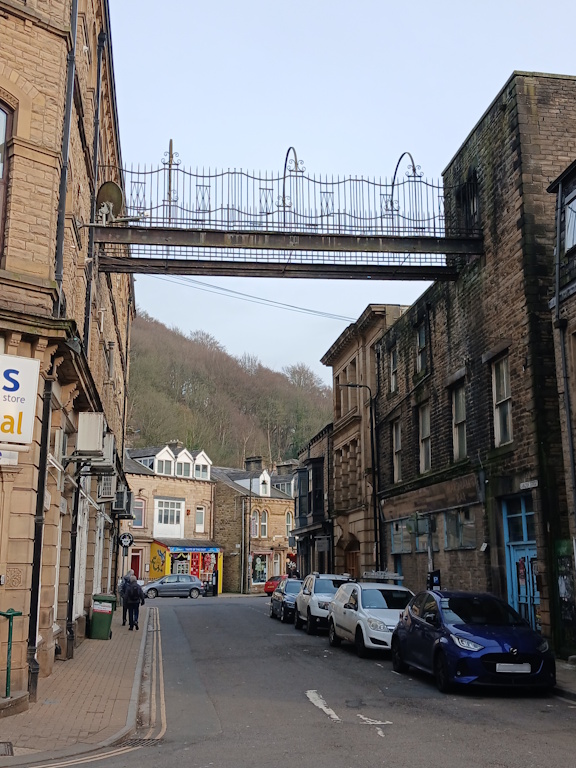
A process of elimination means it must be this one, which dates back to the 16th century and the day of the packhorse.
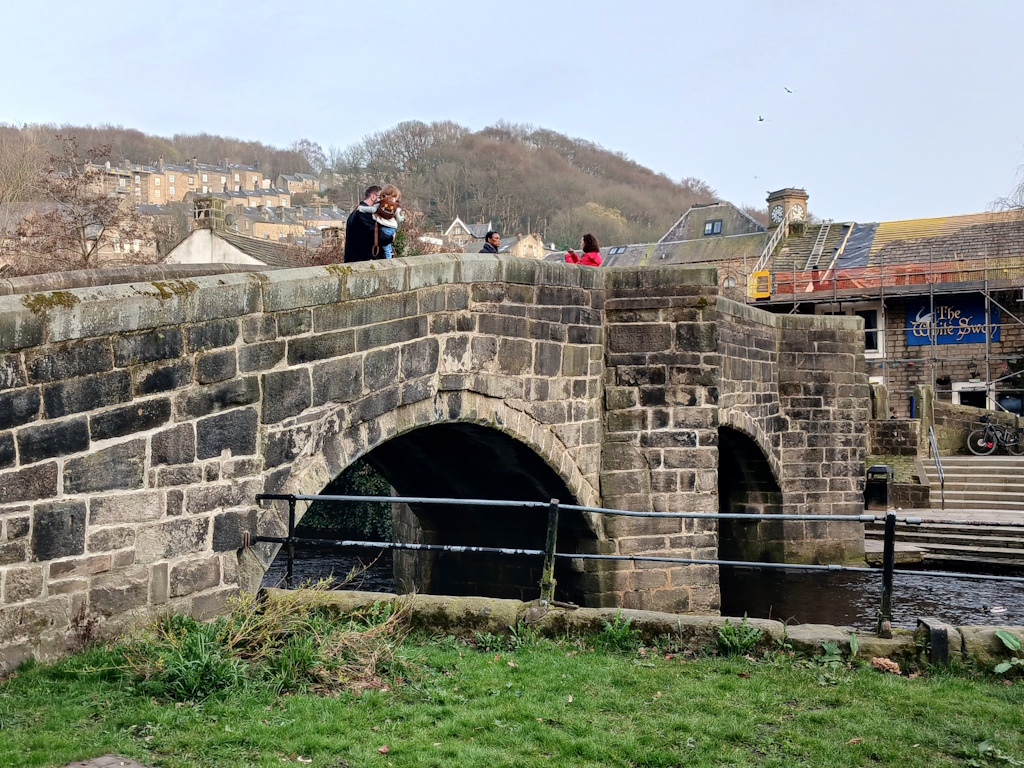
The unfortunate ungulates would have had to haul goods over here, having dropped down from the hills on the old trading route between Halifax and Burnley.
Given our experience, that's still a quicker way than driving, eh?
That would change when the canal from Manchester came, and that'll be the Rochdale Canal.
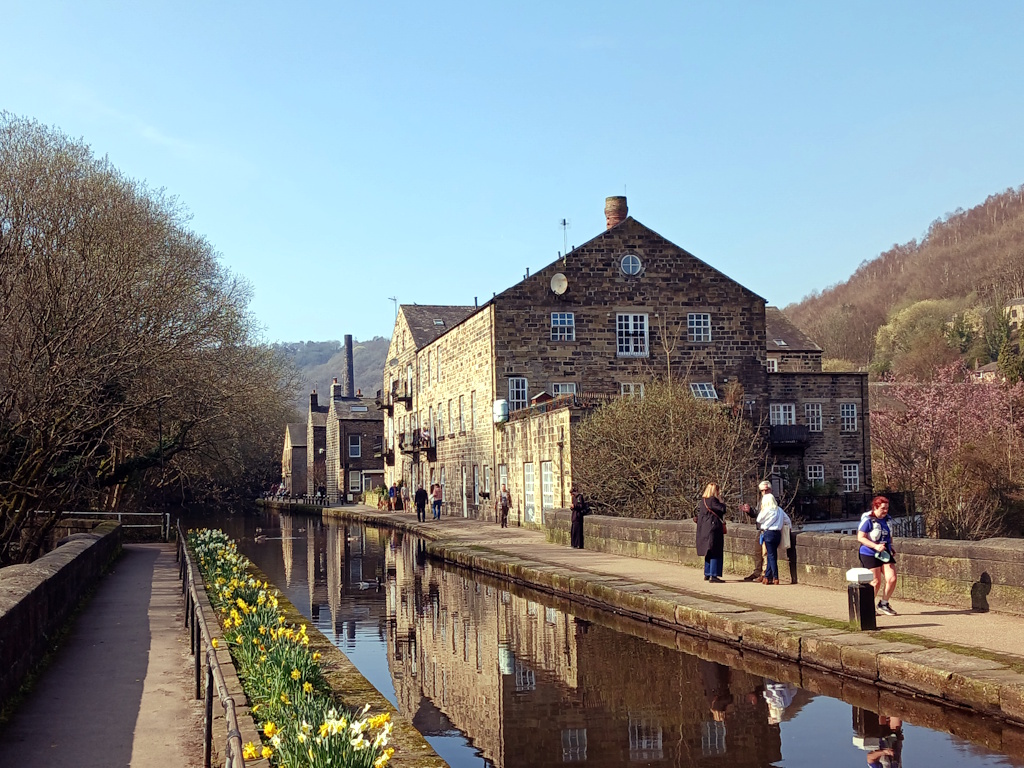
It's 33 miles in length but largely tunnel-free, meaning 91 locks are required to get up and over the Pennines. Narrowboating types tell you that's quite an undertaking, so SlyBob will make do by giving it a right good walking along.
It's four miles west to Todmorden or barely two to Mytholmroyd, where there's not much activity on the water and most of the moorings seem to be semi-permanent?
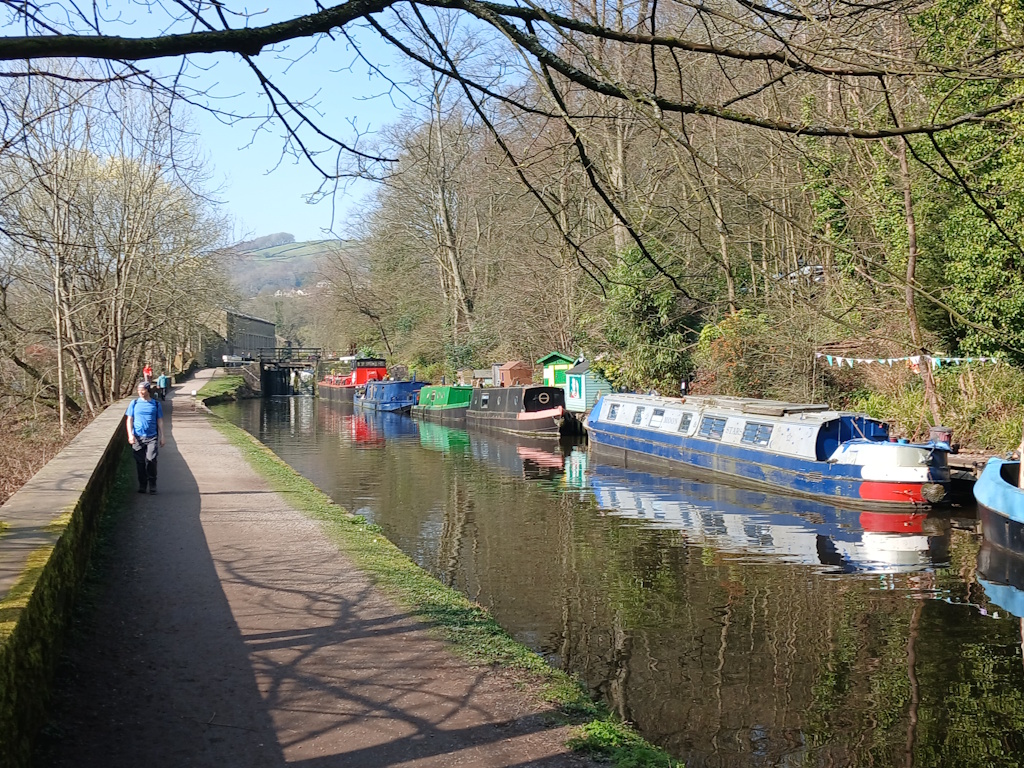
By the looks of things, and just like the old Ford™ Focus, them locks only work intermittently.
Mytholmroyd is mentioned for no other reason than it's the most northern-sounding name in the UK, even more so than Todmorden, probably. You can cut in from the towpath for refreshments or, rather bizarrely, fairly fancy furnishings at Russell Dean's purpose-built store.
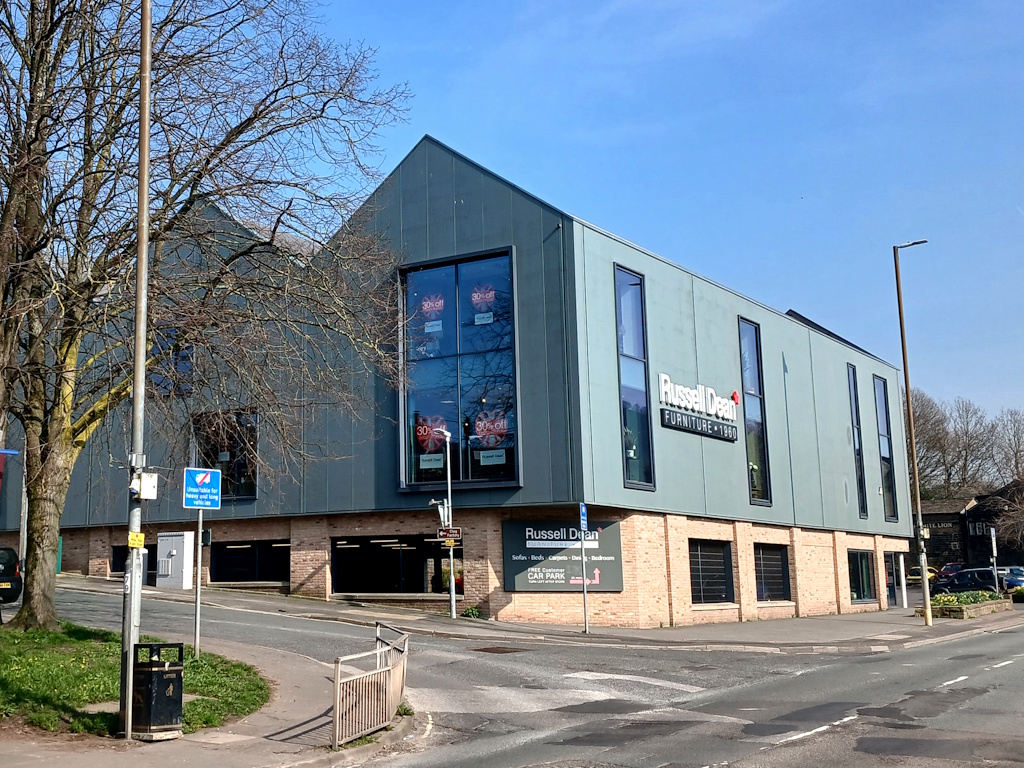
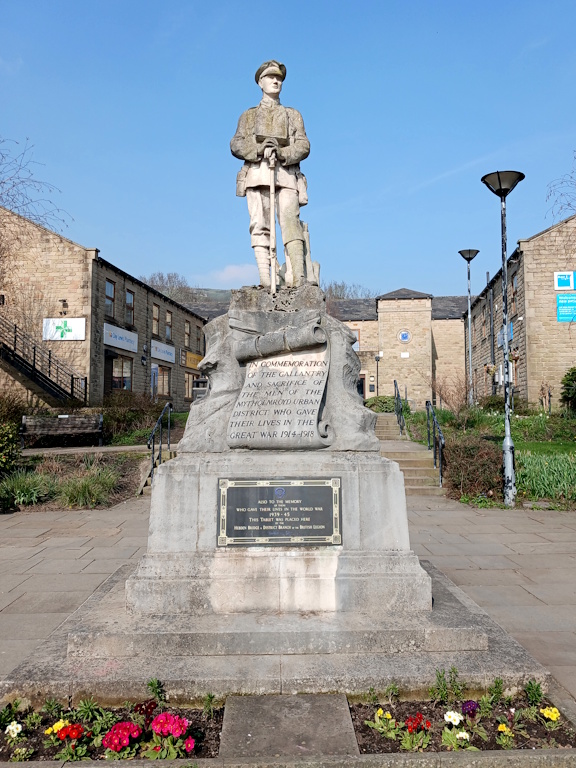
Any purchases would have had to be hurriedly moved upstairs on Boxing Day in 2015 when the River Calder rose to submerge the base of the impressive war memorial.
Yes, the Rochdale Canal isn't the only waterway, the River Calder runs parallel to the road and this is where it comes closest to civilisation. The surge was so severe, a block of shops made way for new flood defences and Hebden didn't escape unscaped, neither.
Like we say, Mytholmroyd is mentioned for no other reason than the name and now for the unprecedented flooding in the area. Oh! It's also the birthplace of Ted Hughes. You know, Ted Hughes?
Hmmm, he's a tricky one is Ted.
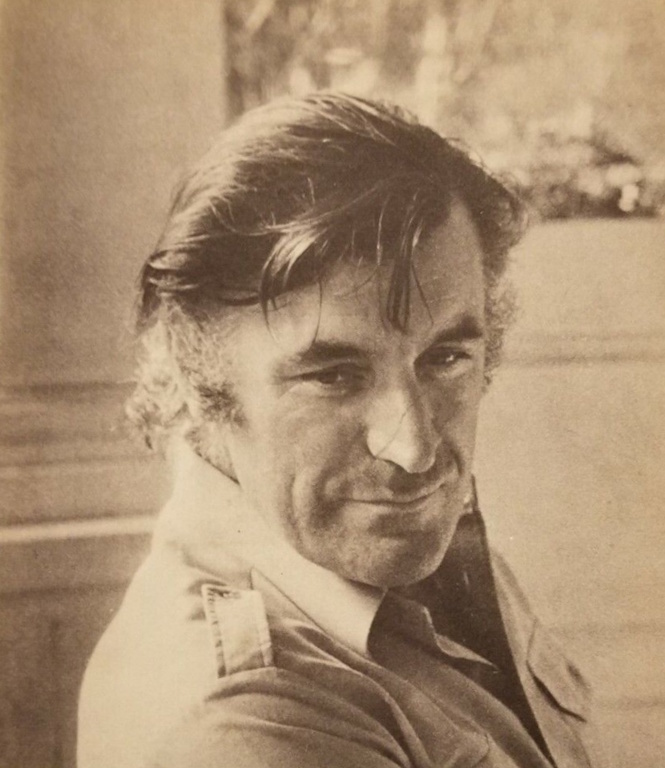
Despite a humble start, a Cambridge University education then a writing career led to his appointment to the post of Poet Laureate. Hailed as one of the best of his generation, this was a million miles from Mytholmroyd.
In 1956, he met and married a Cambridge student, Sylvia Plath, and the rest is, well, what rhymes with 'history'?
A poet herself, American-born Plath had a record of depression and suicide attempts back in the U.S., and their relationship could be described as, erm, turbulent. Documenting infidelity, physical and mental abuse, Plath took her own life in 1963 following the breakdown of the marriage.
Despite being separated, Hughes took control of arrangements and Plath is buried in the village of Heptonstall. That was then home to his parents, but a place with which Plath had no strong connection, although she'd undoubtedly met the in-laws before.
Hughes had a mistress at the time, and six years later she took her own life, and their four-year-old daughter in a similar manner to Plath, blimey!
Phew! That's quite a tale from which Plath emerges as a feminist icon. At no point, however, has anyone ever said... You put some words and music to that sunshine and you've got yourself a show!
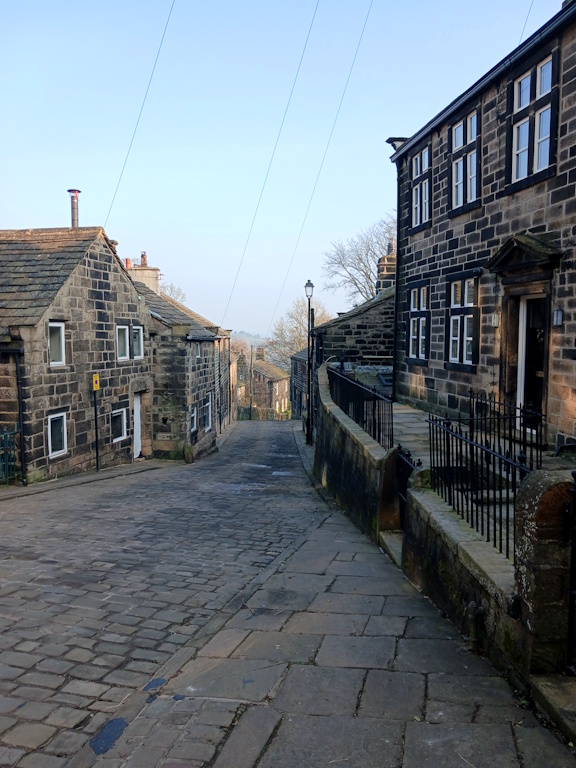
You can get up to Heptonstall from Hebden via 'The Buttress', another impossibly steep bank with pauses to pretend to admire the view.
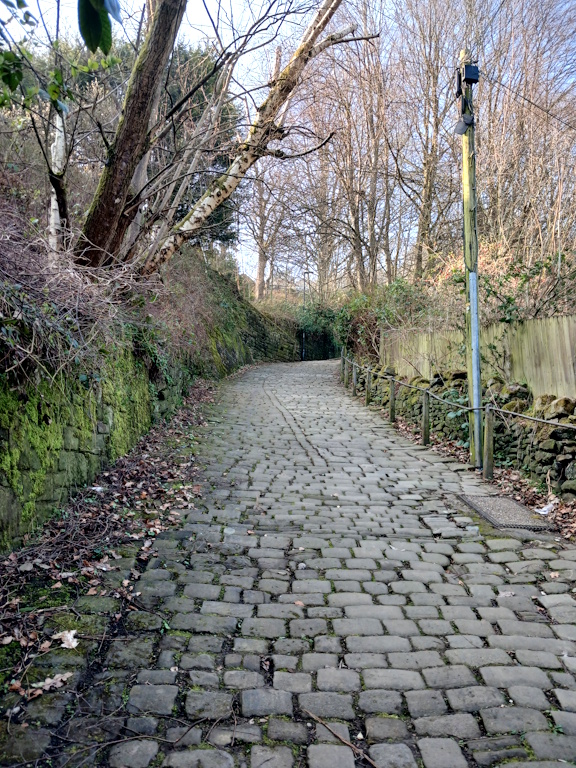
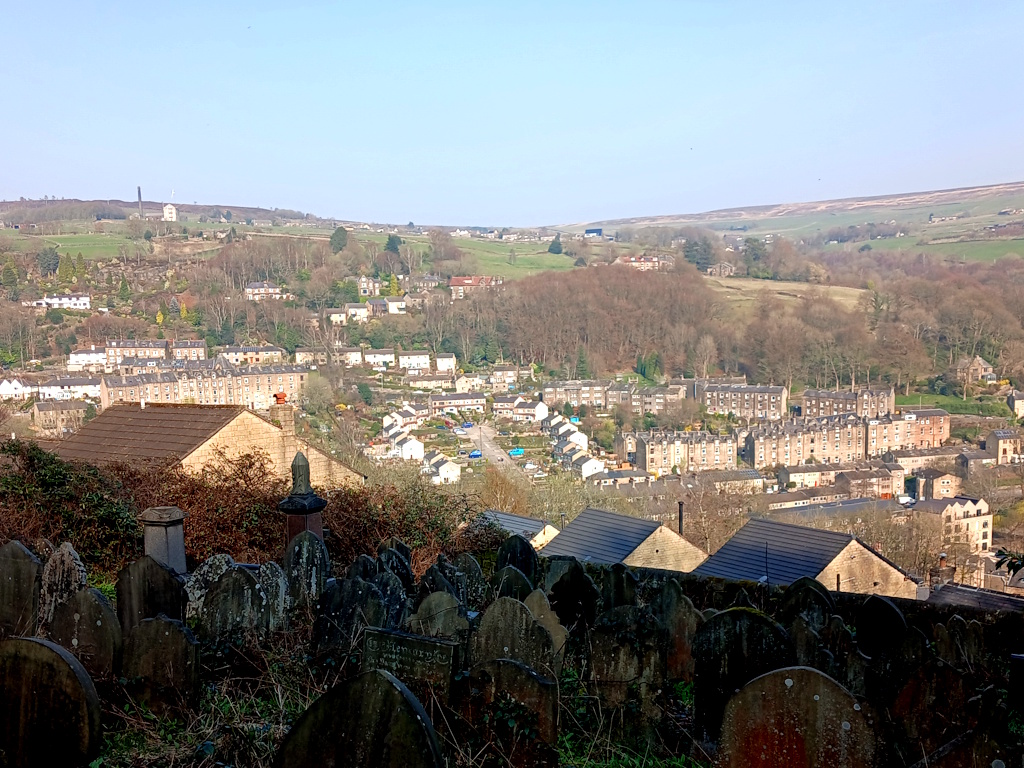
Avoid the road for a further, stepped climb through woodland to reach West Yorkshire's equivalent of a Tuscan hilltop village.
Two pubs at the top, and the Cross Inn greets you first. What better reward for the lug up than a pint of local brew and a traditional Yorkshire Pudding filled with tripe?
It's in no way formal so you don't need a tie on, but that's what's on the menu, Thai, that is. There's no sign of any pies, and the neighbouring table out back are tucking into pad thais, and reet tasty it looks too.
The White Lion seems to keep slightly irregular hours, but they'll honour the Yorkie pud, although we can't vouch for the tripe.
Heptonstall's main draw is the church, but is that St Thomas à Becket's Church or the St Thomas the Apostle Church?
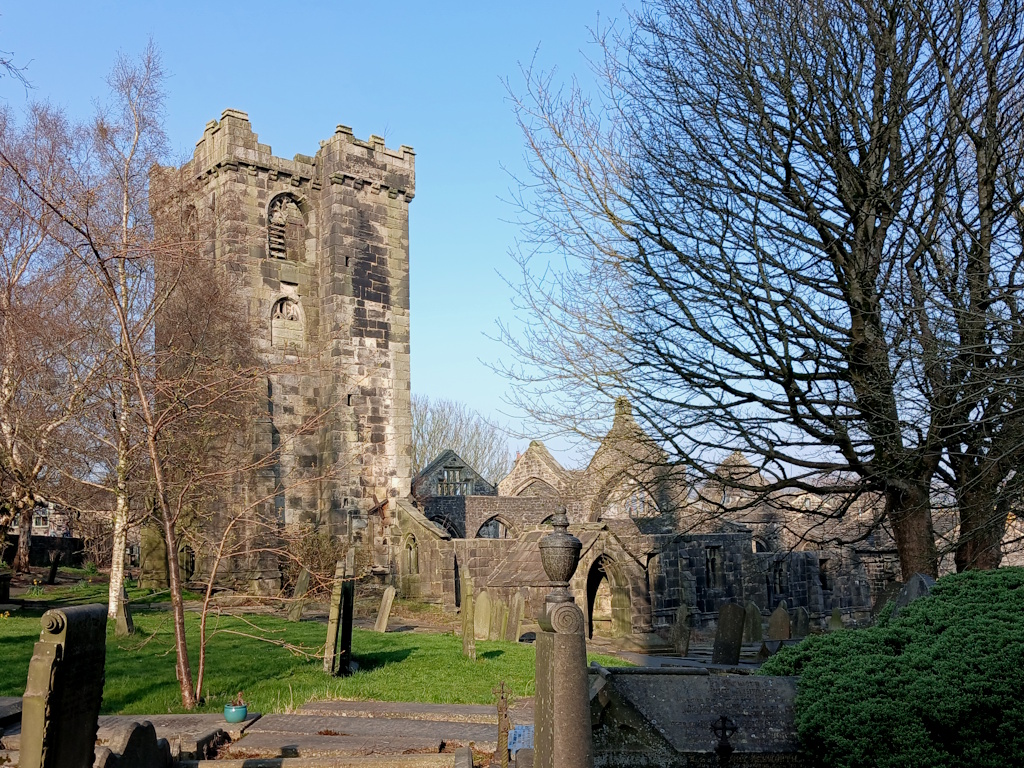
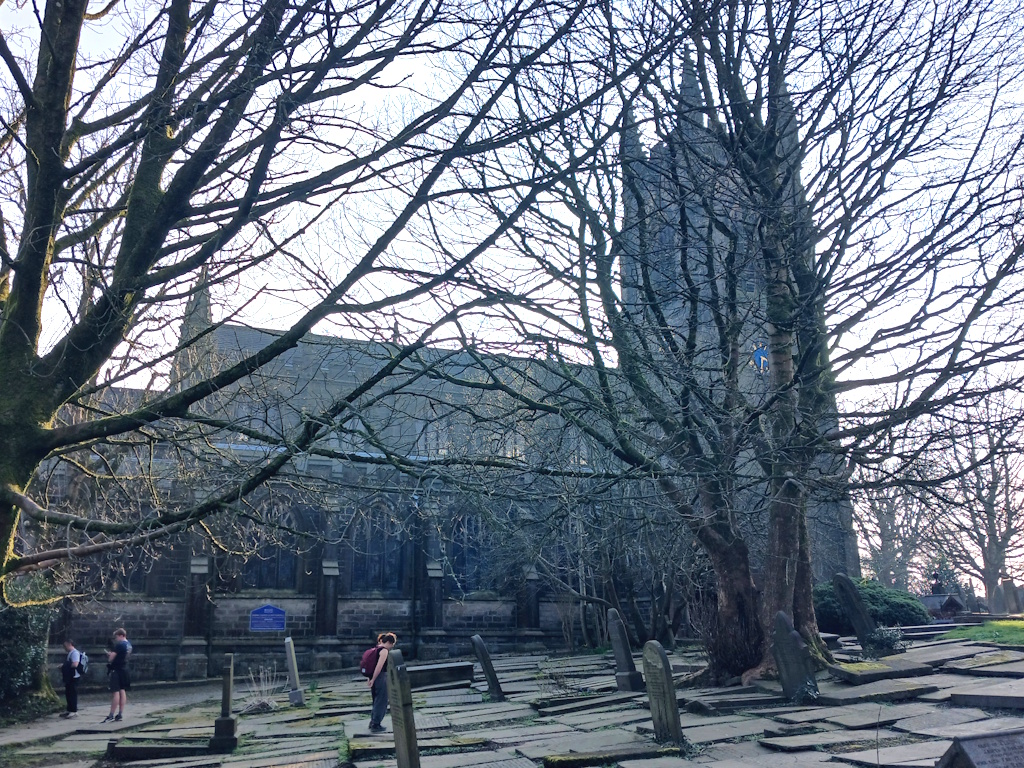
The former is from the 13th century and was replaced by the latter in the 19th when funds for a new roof ran out. Between them, you can, quite literally, jump on the grave of 'King' David Hartley. He's the guy who clipped coins and melted down the trimmings to make more, and he of Gallows Pole fame, no less.
His gang's counterfeiting operation in these parts, the Dusty Miller pub in Mytholmroyd was reportedly their local, devalued the pound by nearly 10%, whatever that means exactly. Hartley was rewarded with a hanging in York in 1770, but at least he was spared the public disembowelling.
This after his brother conspired to murder a nosey HMRC inspector, and West Yorkshire's Robin Hood has now passed into folklore, hence the monarch-like moniker.
Sylvia Plath can be found behind in a new extension to the graveyard, not shown, and still draws a largely young and female audience. Various attempts to vandalise and chisel Hughes' name off the headstone have been made over the years, and there's a small group here today, actually, although we didn't see no bags from B&Q™.
Meanwhile, back down in Hebden Bridge, there's been little talk of it so far, we're not exactly avoiding the place, we're just, well, avoiding the place.
The joke is Hebden has had three waves of immigration. Hippies in the '60s, social workers in the '70s, and yuppies in the '90s. It looks like there's a new one - 21st-century boozehounds!
It's a sunny Saturday, you see, and cars are parked halfway to Mytholmroyd. A steady stream of day-drinkers dropped from the train in both directions makes for an atmosphere along the pedestrianised bit of Bridge Gate - thanks Paul - that's, let's say, 'lively'.
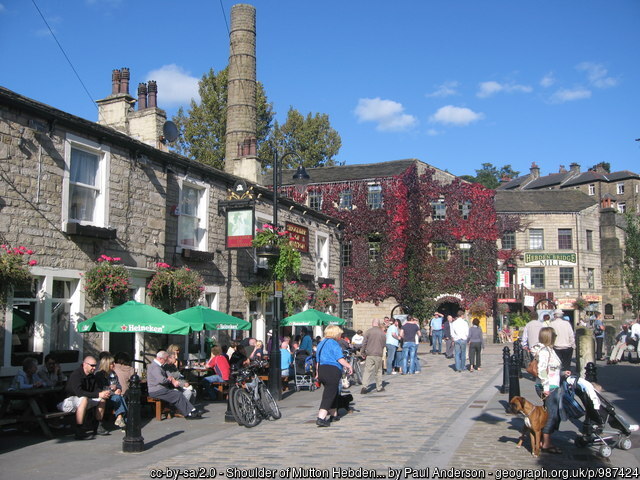
While them young 'uns don't go out until midnight, those of a certain age fill up in the afternoon, before they're back home in time for Casualty, bladdered, with a bhuna on the knee.
There's some respite from the rowdies in what would be called, if it were large enough, Hebden's 'West End', but it isn't, but we will anyway.
This is more like it! Random artwork, Afghan Rug Shop, an organic food co-operative and the Oxfam™ is fancier than Harrod™s.
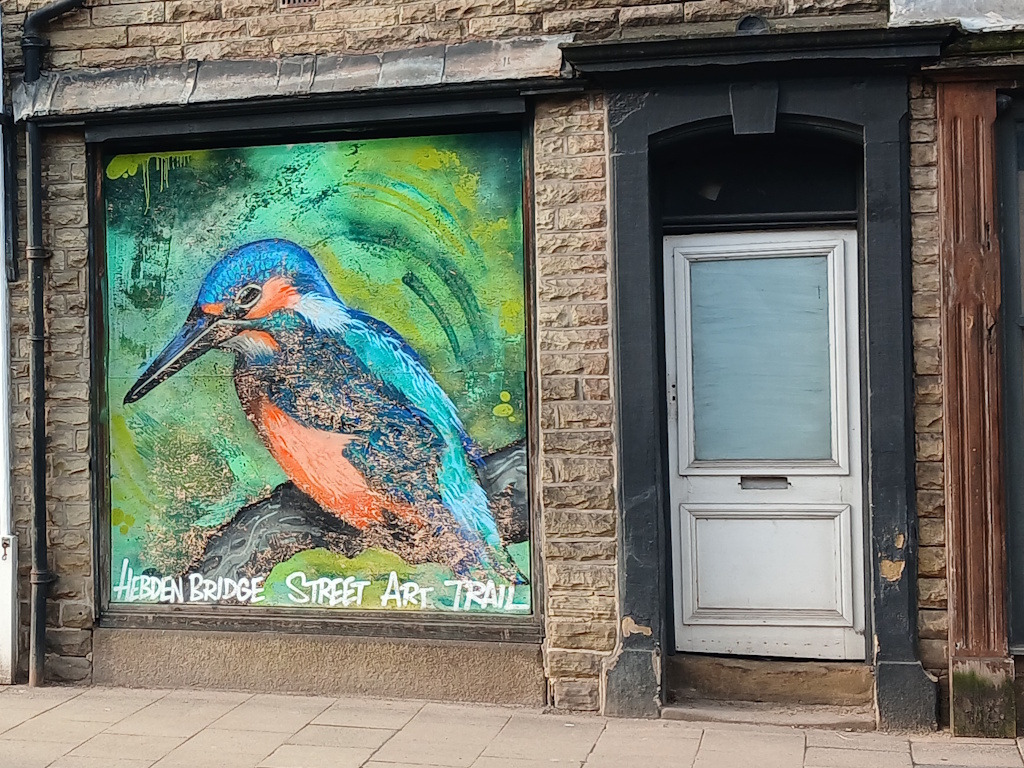
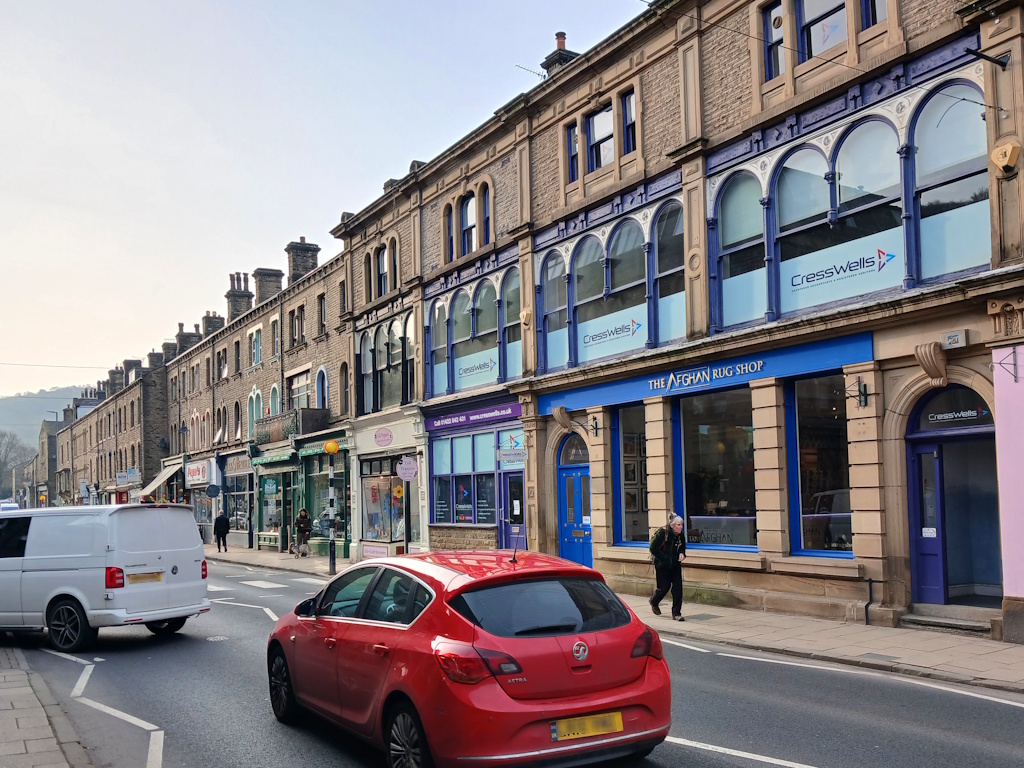
We're looking at the legacy of the alternative-lifestyle seekers who started to arrive half a century ago, and who, inadvertently, helped preserve Hebden's appearance.
Hebden's location at the bottom of a steep-sided valley made an ideal spot for water-powered industry, which was all but gone by the '70s. The fat cats at Hebden City Hall planned to demolish the redundant structures in what they saw as progress, probably, but there was a problem.
The once-working mills and warehouses had hippies in them, and their squatting kept the wrecking balls at bay.
The fashionable repurposing to the retail and residential translates into things that nobody really needs, really, and, let's face it, Airbnb™s.
Rising rents and property prices have forced locals up the hill and artist Heather Wilson back to Warwickshire. The town has changed, she tells us, from her space in the converted Bridge Mill - thanks Betty .
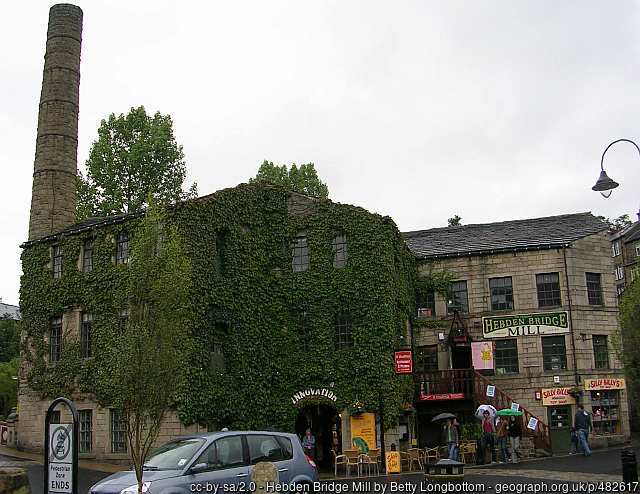
In between admiring Heather's admirable artwork, it's not so much the rent but customers of the busy bar below blocking the stairs and discouraging potential passing trade.
It's a similar story in the The Wavy Steps Bar & Kitchen, where a hospitable bunch later talk of powder-fuelled punch-ups following the exchange of pouches on the streets in summer.
Nobody knows anyone no more is the message, although some oddbod sat in the window feels he's familiar enough to pilfer Bob's pint, the cheek of it!
Local identity, however, is evident by the friendly use of the word 'farewell' by a lad not out of his twenties, matched earlier that day by an Ey up on the canal path to Mytholmroyd, so not everybody here has relocated from Reigate.
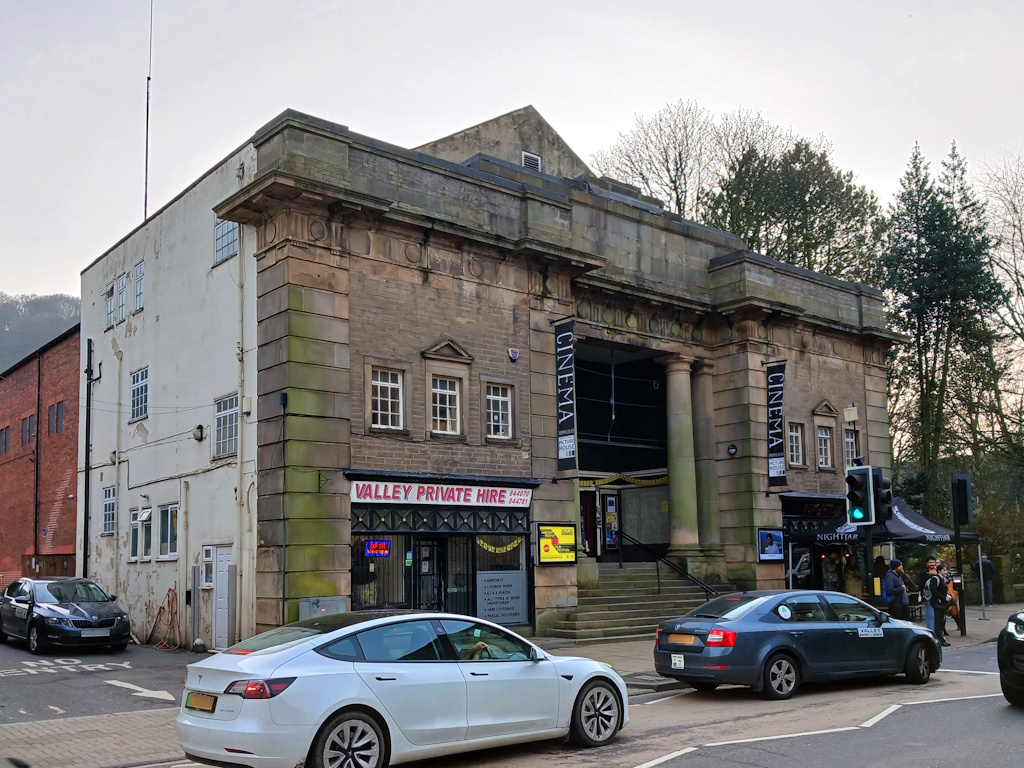
Hebden's trendy set aren't solely confined to the highest density of independent retailers per capita in the UK, some say, they're hosting their annual film festival this weekend, where the screenings are assumed to be subtitle-heavy?
Bob, however, wouldn't mind bopping along to Bogshed and other '80s Indie bangers with the rest of the ageing baldies at the town's famous Trades Club.
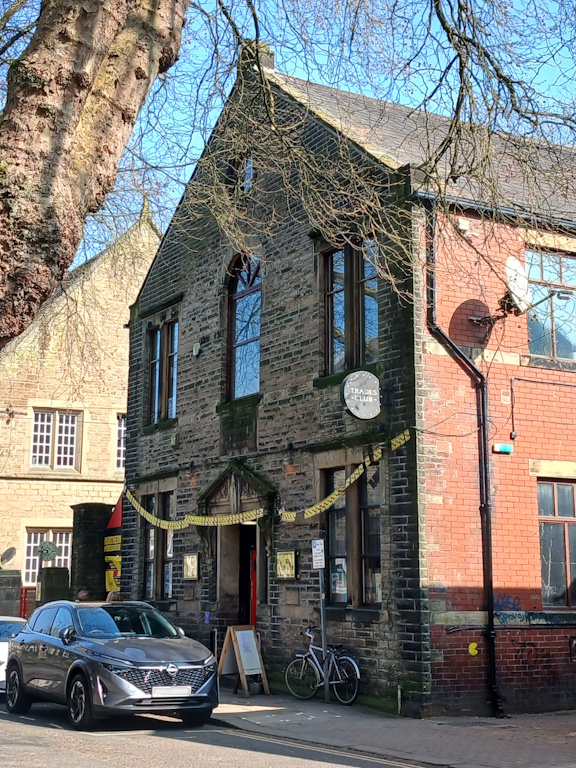
Formed by and for cotton workers in 1924, the socialist cooperative is hailed by Guardian™-writing types as the 'Hippest venue in The North', and everyone you've never heard of, and a handful who you have, has played here, right comrades?
There's more community-focused carousing to be had at the Fox & Goose, the last chance for a saloon on the road out to Todmorden.
Also cooperatively run, this time by 300 locals, a friendly welcome is promised, and your pint is guaranteed not to get half-inched.
The coffee shops have writer Sally Wainwright to thank for a slice of their daytime trade, the Calder Valley is no stranger to her highly acclaimed TV dramas and the award-winning Happy Valley is heavy on Hebden.
Sgt. Catherine Cawood lives up near the big antiques centre, and her daughter is buried next to Plath in Heptonstall. Bridge Gate features in a boozy night out, very apt, but Neil doesn't appear to be doing a shift in the Nisa™ today.
Well, wouldn't you know it, here she is, Calderdale-born, visiting to do some posh shopping, no doubt, like there isn't enough of that in her adopted home of the Cotswolds?
'Hi Sally, huge fans, both of us, but don't you think the extended last episode of Happy Valley could have done with another ten minutes to wrap things up rather less conveniently?'
'What's that? You're working on something new, looking forward to it already, one question...'
'The main man in it. Is he an out-and-out wrong 'un or is he just a bit useless?'
Just asking like.